
January 2026 Growth: 11%
January 2026 was a strong month for EUR/USD, marked by steady upside and several high-quality volatility windows. The pair opened the month near 1.17, traded progressively higher, and tested the 1.20+ area before pulling back late in the month. Net movement was roughly 1 to 1.5 percent, but the intraday and multi-day swings created materially larger opportunities, particularly around January 5 and January 25.
The underlying drivers were straightforward. A widening Fed–ECB policy gap, persistent USD fragility, and a mid-month EU–US trade escalation tied to Greenland combined to create directional pressure and volatility expansion in EUR/USD.
Early January Positioning | Including Jan 5
EUR/USD entered the year around 1.17 to 1.175, continuing the structure established in late 2025. Early January trading was controlled rather than aggressive. On January 5, price held a tight range, closing near 1.1705 after respecting support around 1.1660.
This phase reflected positioning rather than headlines. Eurozone growth data remained firm, with Q4 GDP exceeding expectations, while the ECB maintained a steady policy stance. At the same time, markets continued to price in prior Federal Reserve rate cuts to 3.50–3.75 percent, alongside broader uncertainty around U.S. policy direction.
For EUR/USD, that translated into gradual dollar selling rather than sharp repricing. These low-volatility sessions favored trend continuation and incremental exposure, as price held structure and pressed higher without requiring momentum confirmation.
Mid-Month Escalation | Greenland Tariffs, Jan 17–20
The character of the market changed mid-month.
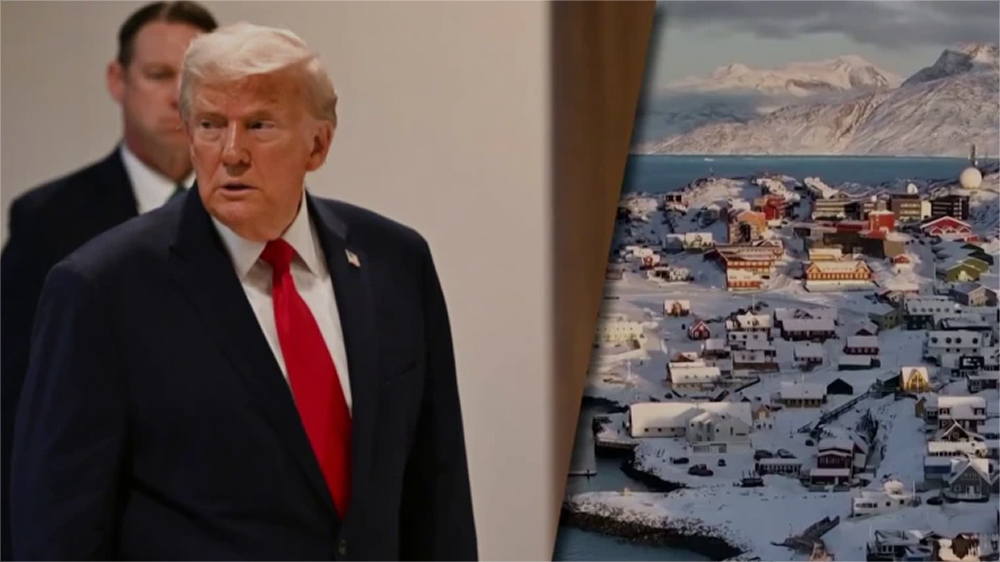
Between January 17 and 20, the U.S. announced tariff measures beginning at 10 percent, with plans to escalate to 25 percent, targeting multiple European countries. The measures were explicitly tied to geopolitical pressure surrounding Greenland.
The impact on EUR/USD was immediate. Markets interpreted the escalation as a direct risk to U.S. growth and trade stability. While equities sold off and gold rallied, the U.S. dollar weakened, reflecting declining confidence rather than a classic risk-off bid.
EUR/USD responded with sharp upside extensions and deeper intraday retracements. This was not a single directional push but a volatility repricing event. Pullbacks were bought, ranges expanded, and price respected the broader bullish structure despite increased noise.
These conditions tend to reward strategies that remain engaged through volatility rather than reacting to headlines in isolation.
Late January Continuation | Jan 25 Window
Following the escalation, rhetoric softened. By January 21, U.S. leadership signaled a NATO-based framework around Arctic and Greenland security, effectively removing near-term tariff implementation risk.
Importantly, the dollar did not recover.
By January 25, EUR/USD was trading near 1.1855, with the session covering a range above 100 pips. The move was driven less by relief and more by positioning follow-through. With tariff risk unresolved structurally and the January 28 FOMC approaching, markets continued to lean into the policy divergence narrative.
ECB stability versus a cautious Fed kept pressure on USD rallies. Breakouts and pullbacks both resolved higher, creating favorable conditions for momentum continuation.
Summary
January's performance was not driven by a single event. It developed through sequencing.
- Early January established directional bias
- Mid-month trade escalation accelerated volatility
- Late January confirmed dollar weakness rather than reversing it